



EVs Getting More Attractive
A growing percentage of U.S. consumers are open to switching and fewer are adverse to the idea, according to a recently completed survey. That’s despite the end of a tax break.

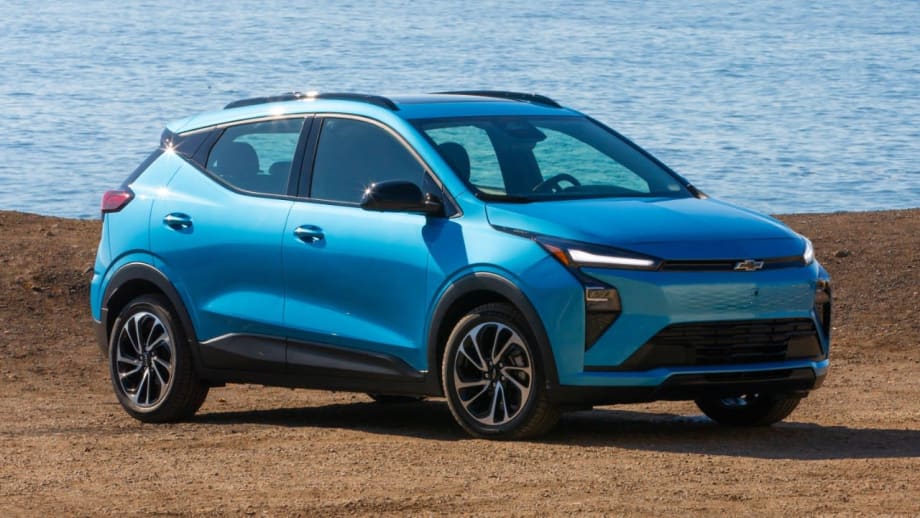
Prices of new EVs are the second-leading deterrent to adoption, according to the recent JD Power consumer survey. Other obstacles have become less daunting.
General Motors
Despite a drop in U.S. electric-vehicle sales following a pullback of federal incentives, more Americans are open to going electric amid this year’s spike in gas prices.
JD Power’s annual survey of new-vehicle shoppers found an uptick in those saying they’d very likely consider buying an electric model, a one percentage-point increase to a significant 25% of respondents. In addition, those very unlikely to go electric fell two percentage points to 20%.
In addition to pain at the gas pump, obstacles to EV adoption are gradually eroding, though EV prices make for a thorny snag, according to survey results.
Purchase price was the second most-cited reason consumers gave for resisting adoption after public charger availability, JD Power reported. The federal government, led by the Trump administration, ended an EV tax credit in October, bumping up EV transaction prices, which had already been higher than comparable gas-engine models.
Spotty charging infrastructure, though it’s still the top reason for opting out of EVs, is less of an issue for prospective EV buyers than it was last year, falling six percentage points to 46%, JD Power found. Charging times also improved in respondents minds, that deterrent falling two percentage points to 44%.
Consumers strongly resisting EV adoption have high thresholds for changing their minds, the report says. More than half aren’t willing to pay more for electric models, nearly three-quarters would want to see 500 miles of range between charges, and 43% said they’d expect comparable charger availability to gas pumps.
JD Power said public EV chargers are more plentiful than non-EV owners may think.
“Across much of the country, fast chargers are often available within about 50 miles, but for those not driving an EV, they can be easy to overlook. This points to a gap in visibility and awareness rather than infrastructure,” said Brent Gruber, JD Power’s executive director of OEM and EV solutions.
GLOBAL PICTURE: EV Sales Drop in April Following Surge
More Industry
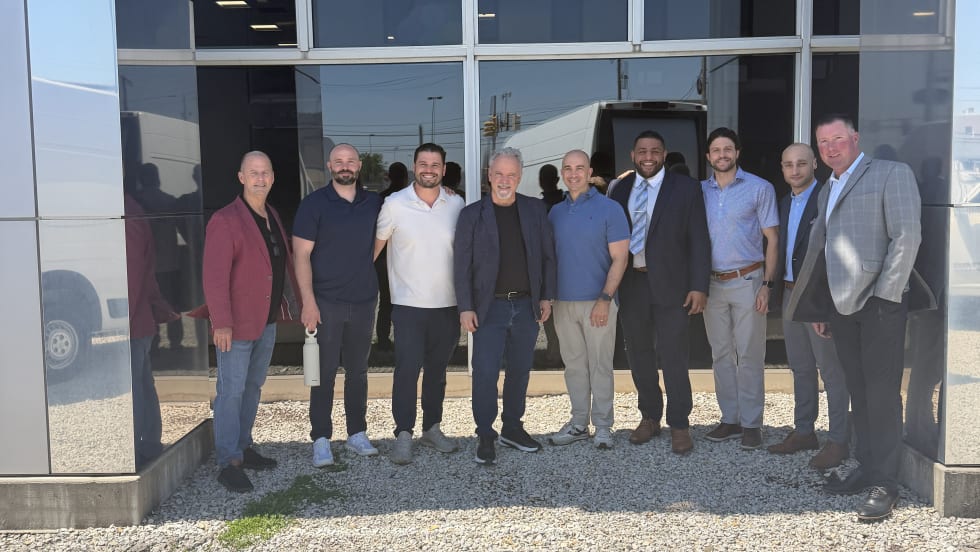
Pennsylvania Dealership Under New Retailers
The sale of the Chrysler Dodge Jeep Ram store puts a family auto group on a leaner path as first-time dealers take the helm.
Read More →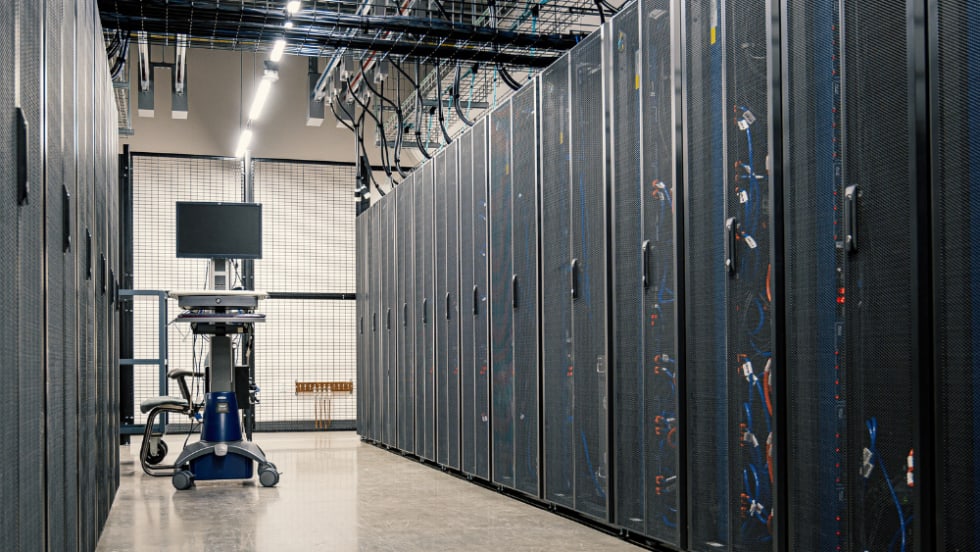
Battery Storage Takes Priority Over EVs
U.S. automakers are prioritizing battery energy stationary storage over electric-vehicle production as the consumer demand for EVs lags the rest of the world.
Read More →
Auto Dealers Feel Better But Not Great
A second-quarter Cox Automotive poll of franchised retailers and independents found better views of the current market after a good spring but anticipation of third-quarter storminess.
Read More →
New-Vehicle Sales Picture Relative
A May forecast is complicated by last spring’s trade tariff effects on auto retail. Despite continued hard realities, many consumers took advantage of ways to bite the bullet.
Read More →
Auto Group Acquires Third Nissan Rooftop
Iowa-based Coleman Automotive Group recently acquired its seventh dealership, McGrath Nissan, which it renamed Nissan of Elgin.
Read More →
April Less Affordable
Based on prices, reduced incentives and slower household income growth, consumers found it more challenging to buy new last month, Cox Automotive reported.
Read More →
Building an Extraordinary F&I Agency
Work to determine your specialized talent, because that fact will determine everything about your agency’s future.
Read More →
Recipe for Compliance
The secret to both amazing barbecue and compliance is the same: understanding the basics and committing to a process.
Read More →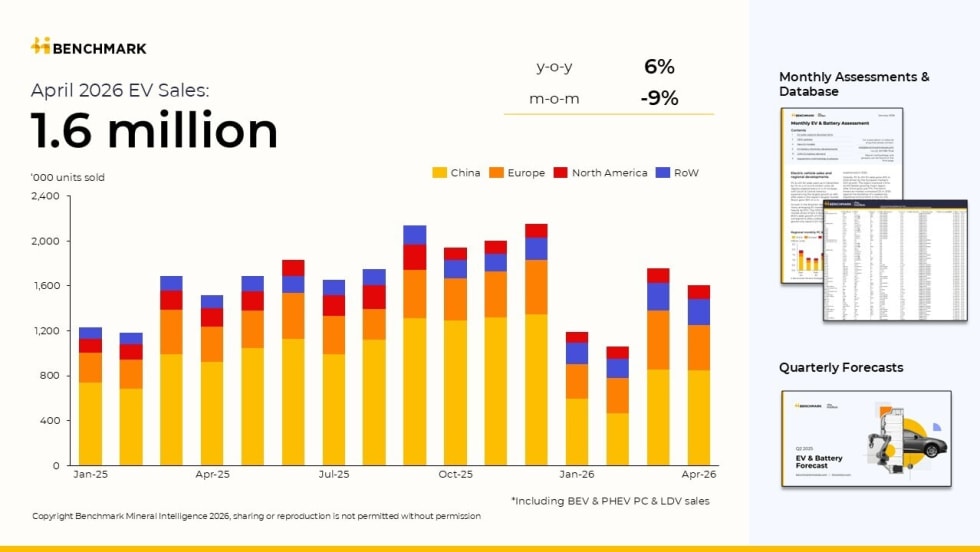
EV Sales Drop in April Following Surge
North American electric-vehicle sales were down 28% year-over-year, a sharp contrast from global EV sales growth of 6%.
Read More →
Auto Lenders, Consumers on a Tightrope
April borrowing data shows that more consumers are bending over backward to buy vehicles, though subprime lending cooled off for the month.
Read More →